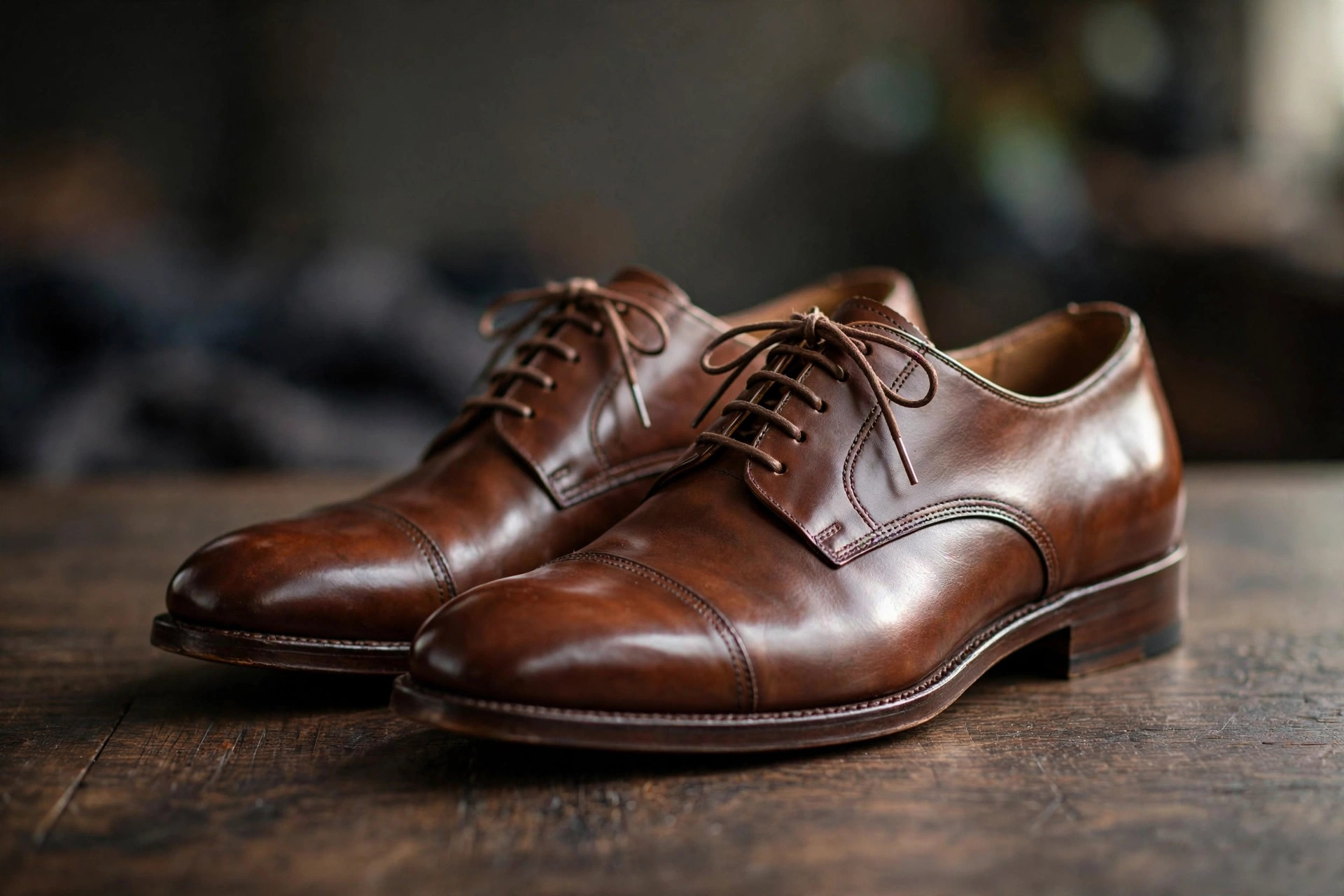
If you are shopping for a proper pair of American-made dress shoes, two names will follow you around every forum, every shoe shop, and every “buy it for life” thread: Alden and Allen Edmonds. Both companies handcraft Goodyear-welted leather footwear in the United States, both have been doing it for generations, and both charge a premium for the privilege. So which one actually deserves your money in 2026?
I have compared the two brands across the factors that matter most — leather, construction, comfort, fit, style range, and value — so you can decide with confidence.
Alden Shoes: An Overview
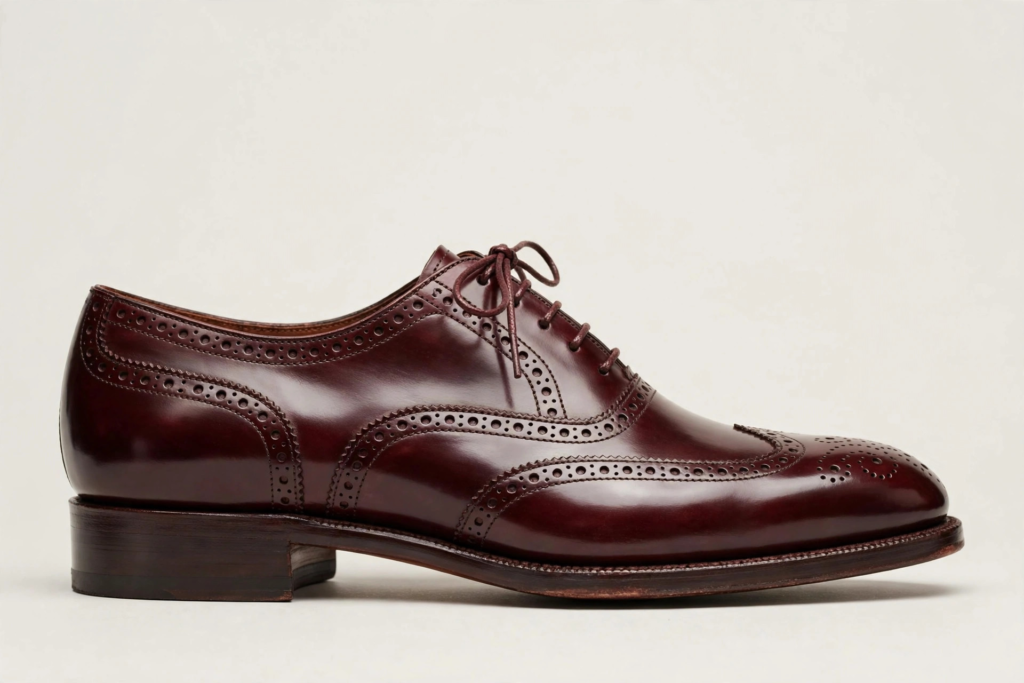
Alden has been making men’s footwear in Middleborough, Massachusetts since 1884, which makes it one of the oldest surviving shoe manufacturers in America. The company is still family-run, still deliberately small, and still refuses to chase trends. What you get from Alden is a traditional, slightly chunky American dress shoe built to be resoled for decades.
Alden’s calling card is shell cordovan — the dense, glossy leather cut from the hindquarters of a horse, sourced from Chicago’s Horween tannery. Cordovan is famously crease-resistant, develops a rich patina, and outlasts calfskin by years. Alden’s Color #8 (burgundy) longwing blucher is arguably the most famous cordovan shoe on the planet. Alongside cordovan, Alden works with aniline calfskin and calf and kid suede, all cut generously and finished with a soft, understated shine rather than a mirror gloss.
Signature models include the 975 longwing blucher, the 990 plain-toe blucher, and the Indy boot — the moc-toe work boot made famous on the feet of Indiana Jones. Alden’s lasts (the foot-shaped forms shoes are built on) such as the Barrie and Trubalance tend to run roomy, which is good news for wider feet.
Check the latest price of Alden shoes on Amazon: https://www.amazon.com/s?k=alden+shoes
Allen Edmonds: An Overview
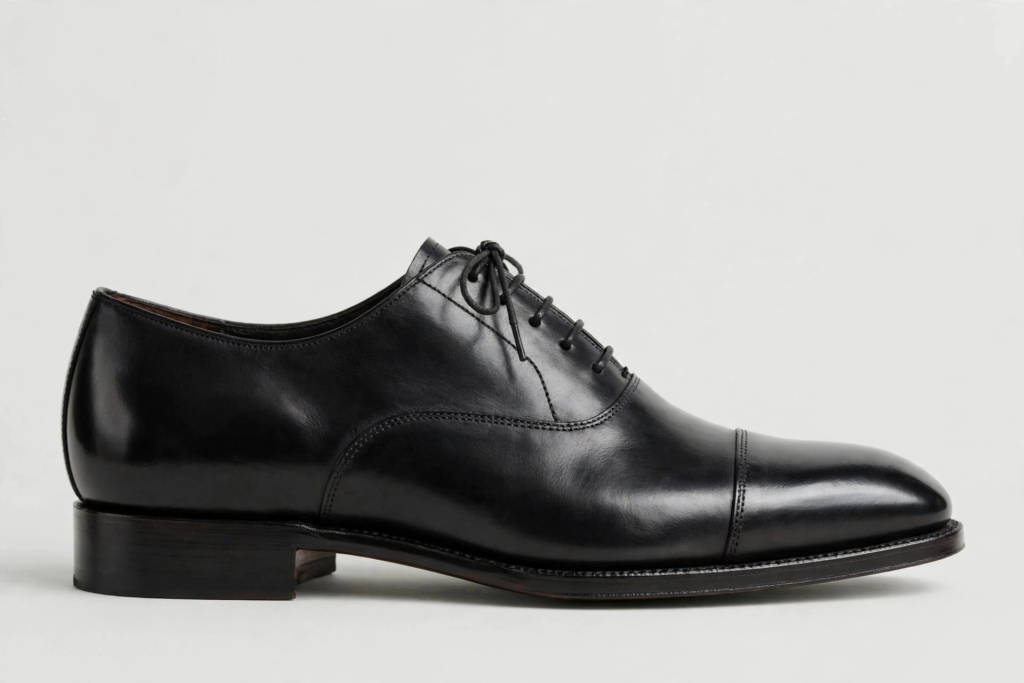
Allen Edmonds was founded in 1922 in Wisconsin and has been crafting men’s dress shoes in Port Washington ever since. It is the bigger, more commercially visible of the two brands, and the company runs an official recrafting service that rebuilds your worn shoes from the ground up.
Where Alden leans on cordovan, Allen Edmonds built its reputation on fine European calfskin, hand-finished in rich colours, plus English suede and Horween shell cordovan on select models. Construction is the 360-degree Goodyear welt on most models, and outsoles range from traditional oak-tanned leather to Dainite rubber and combination soles — which makes Allen Edmonds the more versatile pick for wet weather and business travel.
The line-up is anchored by bona fide icons: the Park Avenue cap-toe oxford (the default American business shoe for generations), the Strand wingtip, and the McAllister. Allen Edmonds offers a notably wide range of widths, from AAA to EEE, so tricky feet are well catered for.
Check the latest price of Allen Edmonds shoes on Amazon: https://www.amazon.com/s?k=allen+edmonds+shoes
Alden vs Allen Edmonds: Quick Comparison
| Feature | Alden | Allen Edmonds |
|---|---|---|
| Founded | 1884, Middleborough, Massachusetts | 1922, Wisconsin |
| Signature leather | Horween shell cordovan | European calfskin, hand-finished |
| Construction | Goodyear welt, oak-tanned leather soles | 360° Goodyear welt; leather, rubber, or combo soles |
| Fit | Roomy, runs generous (Barrie/Trubalance lasts) | Wide width range (AAA–EEE); sleeker lasts |
| Weight | Heavier, chunkier feel | Noticeably lighter |
| Style range | Traditional, conservative line-up | Broader, including casual and rubber-soled options |
| Official recrafting | No factory programme (cobbler resoles fine) | Yes — official Recrafting service |
| Price position | Premium; cordovan models cost roughly twice as much | Mid-premium; frequent sales and second-quality deals |
Leather and Materials
Both brands use genuinely good leather, but they prioritise different things. Alden’s headline material is shell cordovan, and it shows: cordovan models have a deep, almost wet-looking gloss and a toughness that calfskin cannot match. Even Alden’s calfskin shoes are cut from full and top-grain hides with the grain intact, so they age gracefully rather than cracking at the flex points.
Allen Edmonds works with hand-selected full-grain European calfskin, supple English suede, and its own shell cordovan options. The calfskin is excellent — smooth, even-dyed, and hand-burnished — but it is still calfskin, which means it will crease more visibly than cordovan over the years. Where Allen Edmonds pulls ahead on materials is underneath the shoe: it offers vegetable-tanned leather, oak-dyed leather, Dainite rubber, commando rubber, and lightweight XL Extralite outsoles, giving you far more choice for different weather and dress codes.
Construction and Durability
Both brands Goodyear-welt their shoes, which is the construction method that matters most for longevity: the upper is stitched (not glued) to a leather welt, which is then stitched to the sole, so a cobbler can remove and replace the sole many times over. A well-kept pair from either brand can realistically last 15–20 years with resoling.
There are differences in the details. Alden fits a tempered steel shank in its soles for rigidity and uses oak-tanned leather outsoles with a deliberately old-school, heavy-duty build. Allen Edmonds’ 360-degree welt wraps the stitching all the way around the heel for extra water resistance, and its broader outsole menu means you can buy the same handsome upper on a grippy rubber sole if you walk city streets in the rain.
One honest note: Alden’s finishing can be slightly rustic — a little extra welt trim here, a slightly uneven edge there — while Allen Edmonds’ factory finish tends to look cleaner out of the box. Neither affects how long the shoes last.
Fit and Comfort
This is where the two brands diverge most in daily wear. Alden’s popular lasts run roomy and generous; many buyers size down half a size from their sneaker size on the Barrie last. Alden also fits an extra cushioned footbed under the insole, which hides the interior nail heads and gives the shoe a softer, more padded step from day one.
Allen Edmonds fits sleeker and a touch narrower in standard D width, but compensates with one of the widest size runs in the industry — AAA through EEE — so most feet can find their true size. Because there is no extra footbed padding, Allen Edmonds can feel firmer for the first few wears until the cork footbed moulds to your foot, which typically takes a week or two of regular wear.
Bottom line: Alden feels plusher immediately and suits wider feet; Allen Edmonds offers far more width options and rewards a short break-in.
Style Range and Versatility
Alden’s catalogue is intentionally narrow and traditional: longwings, plain-toe bluchers, chukkas, loafers, and boots in conservative colours. If your wardrobe is suits, sport coats, and dark denim, Alden covers it beautifully — but you will not find sleek fashion-forward silhouettes or rubber-soled commuter shoes here.
Allen Edmonds is the more versatile brand by a clear margin, with more colours, more sole options, and more casual interpretations — suede chukkas and weatherproof models sit alongside the boardroom oxfords. One pair of Allen Edmonds on a Dainite sole can credibly go from a client meeting to a rainy commute; an Alden on a leather sole really wants dry pavements.
Price and Value for Money
Alden is the more expensive brand, full stop. Its calfskin models already sit above Allen Edmonds’ core range, and shell cordovan models cost roughly twice what a comparable Allen Edmonds shoe costs. Alden also discounts rarely and has no outlet channel, so you pay close to full price or you buy second-hand.
Allen Edmonds’ list prices are lower to begin with, and the brand runs regular sales — plus the famous Shoe Bank, which sells factory-second shoes (usually with tiny cosmetic flaws) at steep discounts. Add the official recrafting service, which rebuilds your shoes for a fraction of replacement cost, and Allen Edmonds makes a strong case as the better long-term value.
Which One Should You Buy?
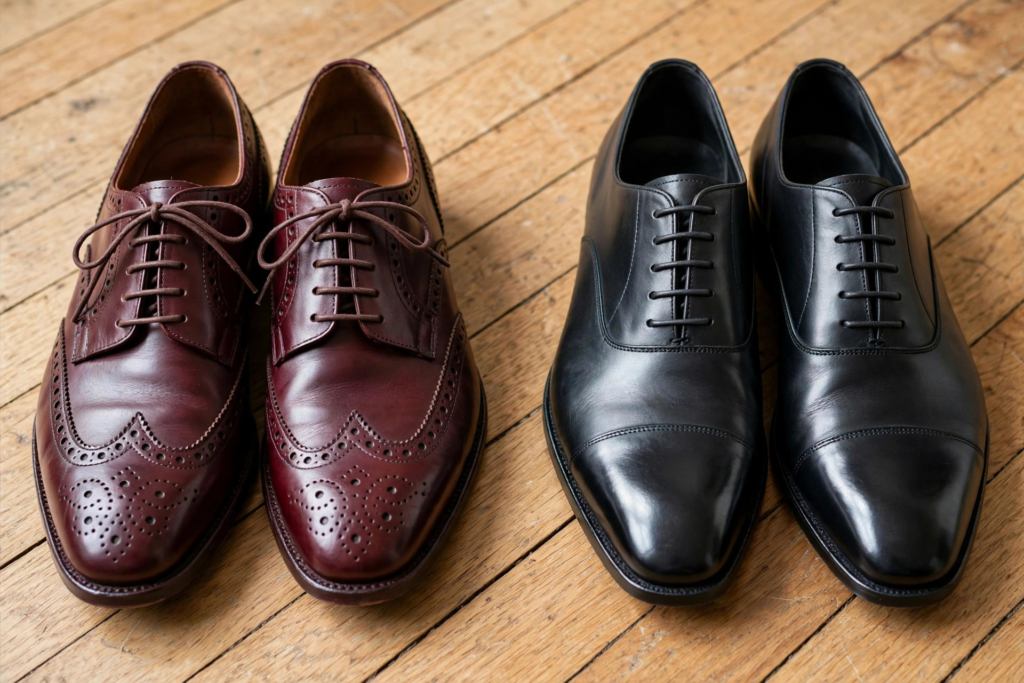
Choose Alden if you want the finest materials in American shoemaking, love the look and feel of shell cordovan, have wider feet, and are happy to pay a premium for a shoe that will age like a vintage watch. The 975 longwing in Color #8 remains the single most rewarding purchase in this comparison for the enthusiast.
Choose Allen Edmonds if you want a sleeker fit, need an unusual width, walk in all weathers, or simply want 90% of the quality at a much lower price. The Park Avenue remains the safest first “serious” dress shoe you can buy, and the recrafting programme means it can stay in rotation for decades.
There is no wrong answer here — both are Goodyear-welted, American-made shoes that will outlast anything glued together. It comes down to whether you value Alden’s material indulgence or Allen Edmonds’ versatility and value.
Final Verdict
Alden vs Allen Edmonds is less a battle than a fork in the road. Alden is the connoisseur’s choice: richer leather, a roomier and plusher fit, and a heritage build that shrugs at decades of wear — at a price that reflects it. Allen Edmonds is the pragmatist’s choice: sleeker styling, more widths and sole options, an official recrafting service, and frequent sales that make genuine quality accessible.
If budget is no object and you want the best leather on your feet, buy Alden. If you want the smartest money spent on a shoe you will wear hard for twenty years, buy Allen Edmonds.